Helping organisations protect people, meet their legal duties and keep their fire safety systems compliant.
From Fire Risk Assessments and fire extinguisher servicing to fire door inspections and full system maintenance, we provide practical support across every stage of fire safety compliance.
Fire safety isn’t just about meeting legal requirements. It’s about protecting people, property and business continuity.
We provide a complete range of fire safety services across domestic, commercial and industrial environments. Through our trusted specialist expertise, national coverage and a seamless, fully coordinated service, with accuSafe acting as your single point of contact from initial enquiry through to completion.
Highly trained and qualified professionals with years of industry experience.
Supporting clients across the UK with local resources and rapid response.
All services delivered to current standards and legislation for complete peace of mind.
All your fire safety needs under one roof for simplicity and consistency.
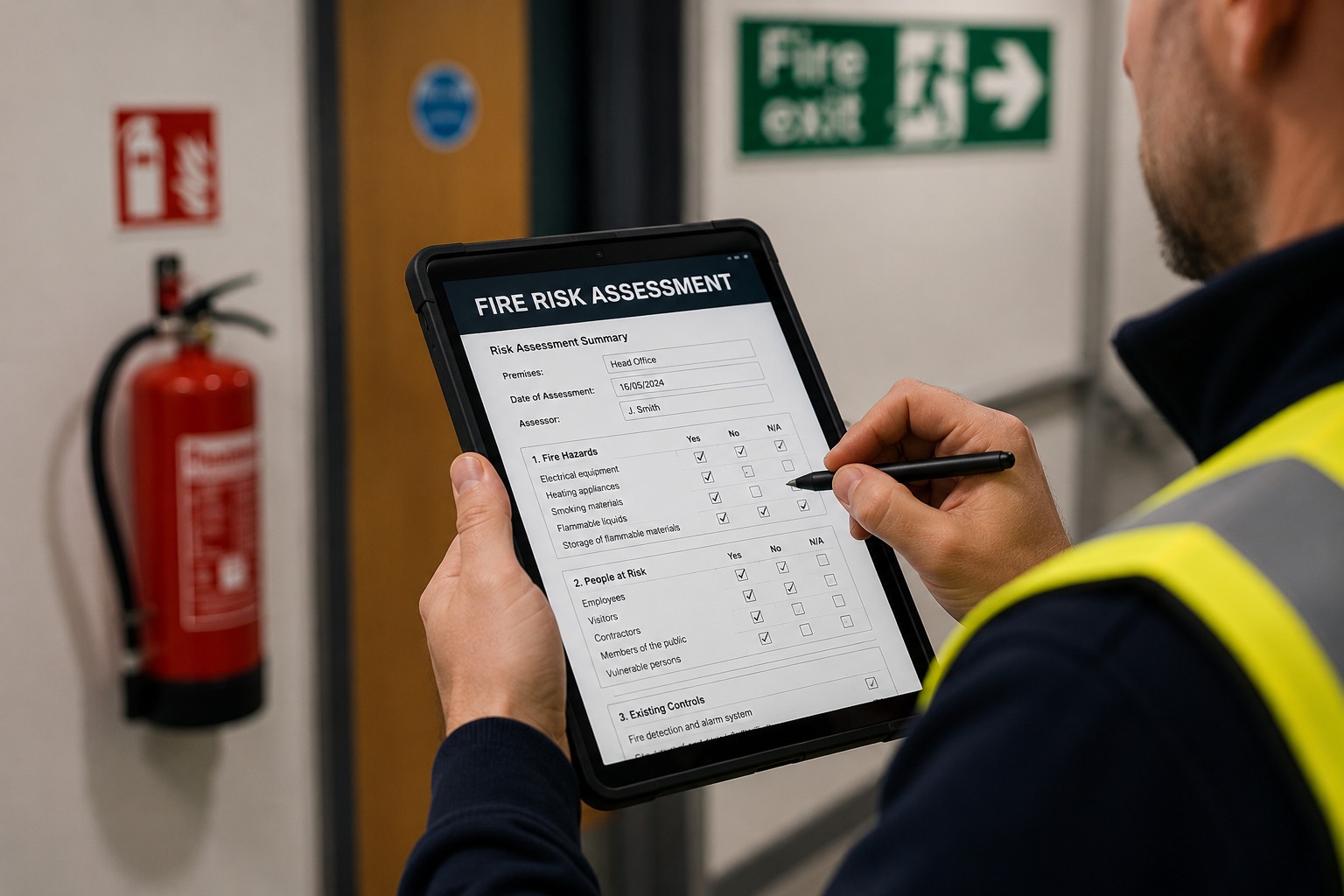
A suitable and sufficient Fire Risk Assessment is the foundation
of every effective fire safety strategy.
Our competent assessors identify fire hazards, evaluate existing controls and provide clear, prioritised recommendations to help you comply with the Regulatory Reform (Fire Safety) Order 2005 and protect everyone who uses your premises.
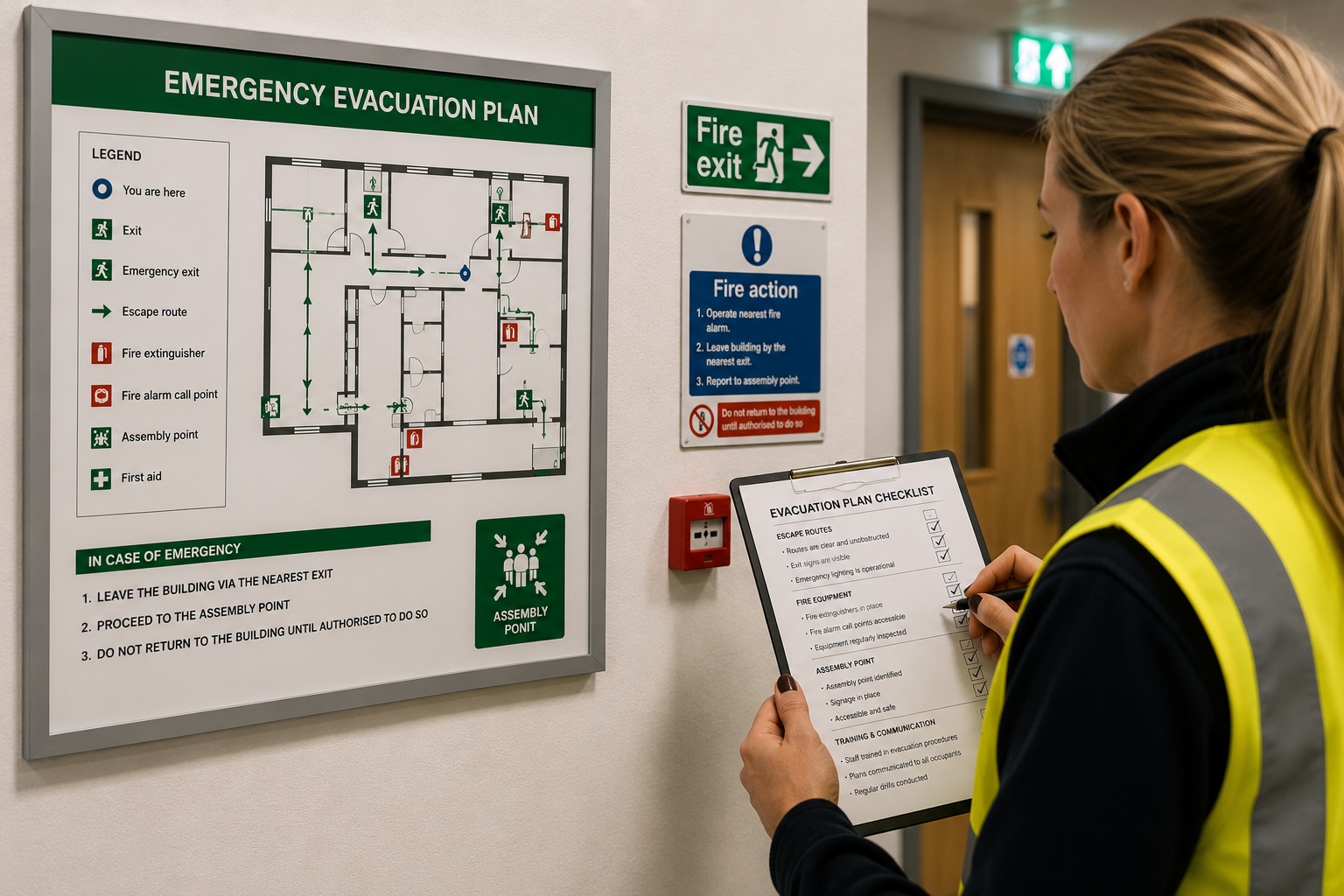
Effective evacuation planning ensures everyone knows what to do in an emergency. We help organisations create clear, practical plans that save lives.
A GEEP sets out the standard evacuation arrangements for a building or area, providing clear guidance for staff, visitors and contractors.
A PEEP is a plan for an individual who may need assistance to evacuate safety due to disability, injury, medical condition or other specific need.
• Escape route and assembly point planning
• Evacuation procedures
• Fire evacuation drills
• Staff guidance and awareness
• Ongoing reviews following changes to premises or personnel
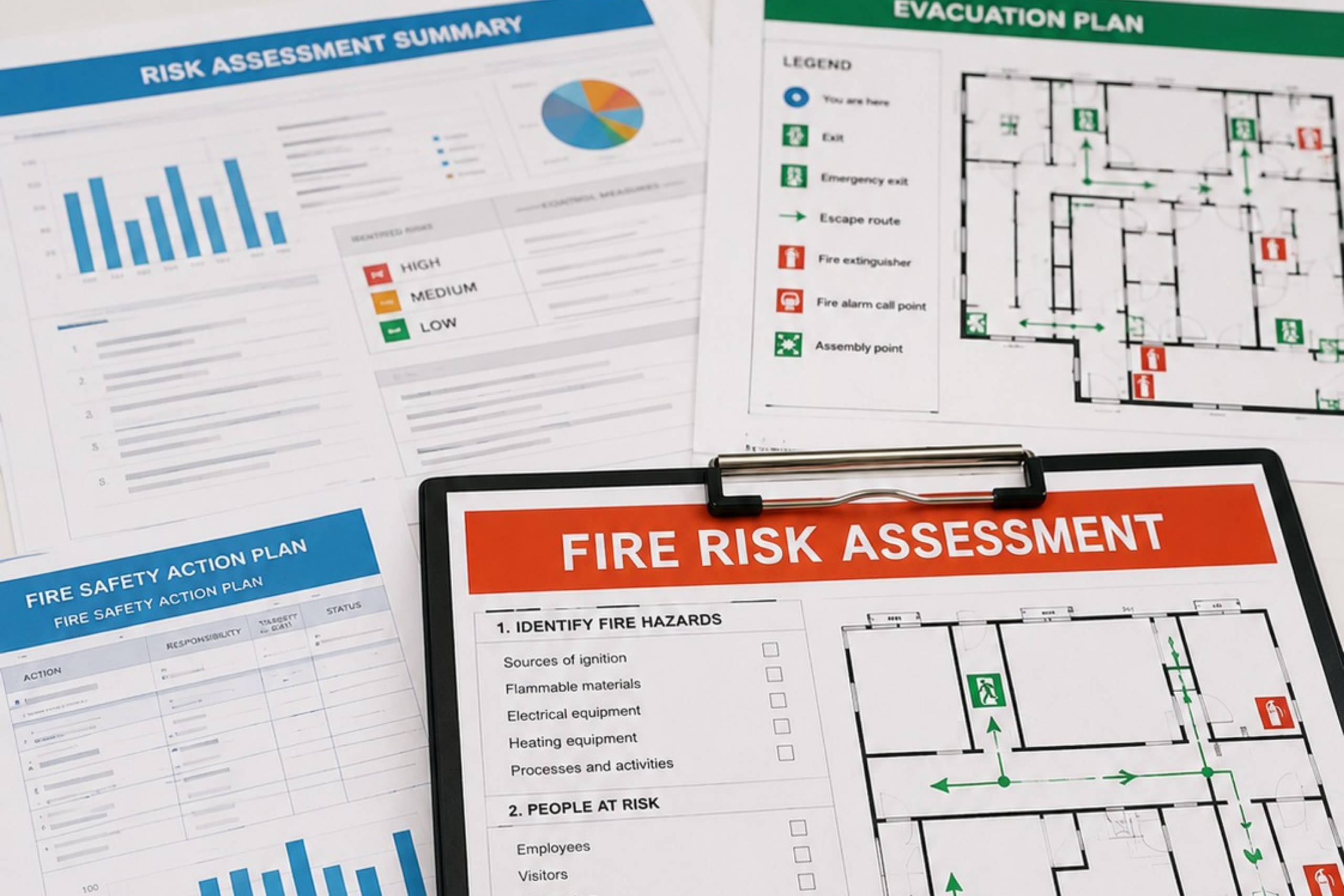
Identify risks, assess controls and provide clear actions to ensure legal compliance
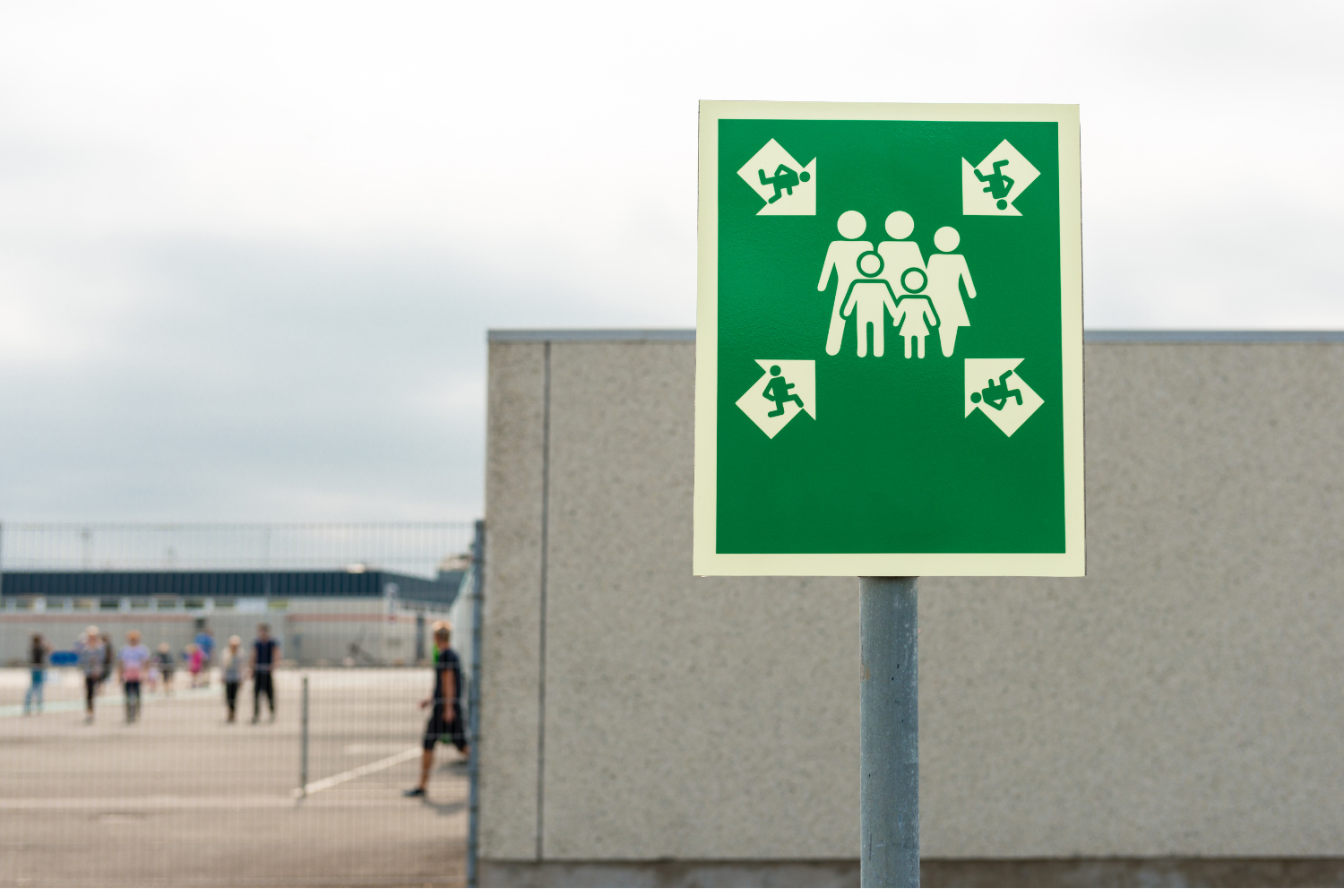
GEEPs and PEEPs to ensure everyone can evacuate safely in the event of an emergency
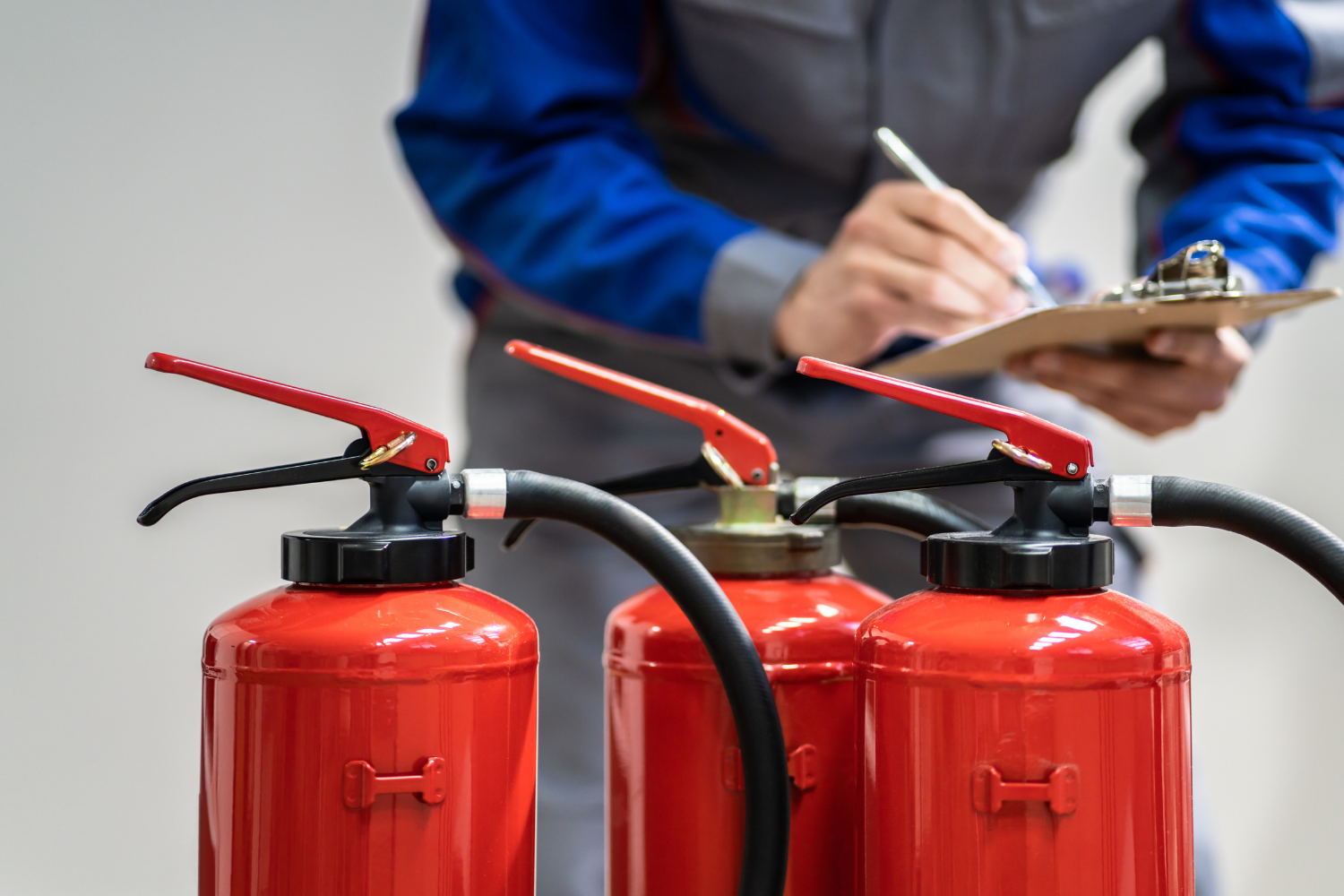
Annual servicing, maintenance and commissioning to keep extinguishers compliant and ready for use
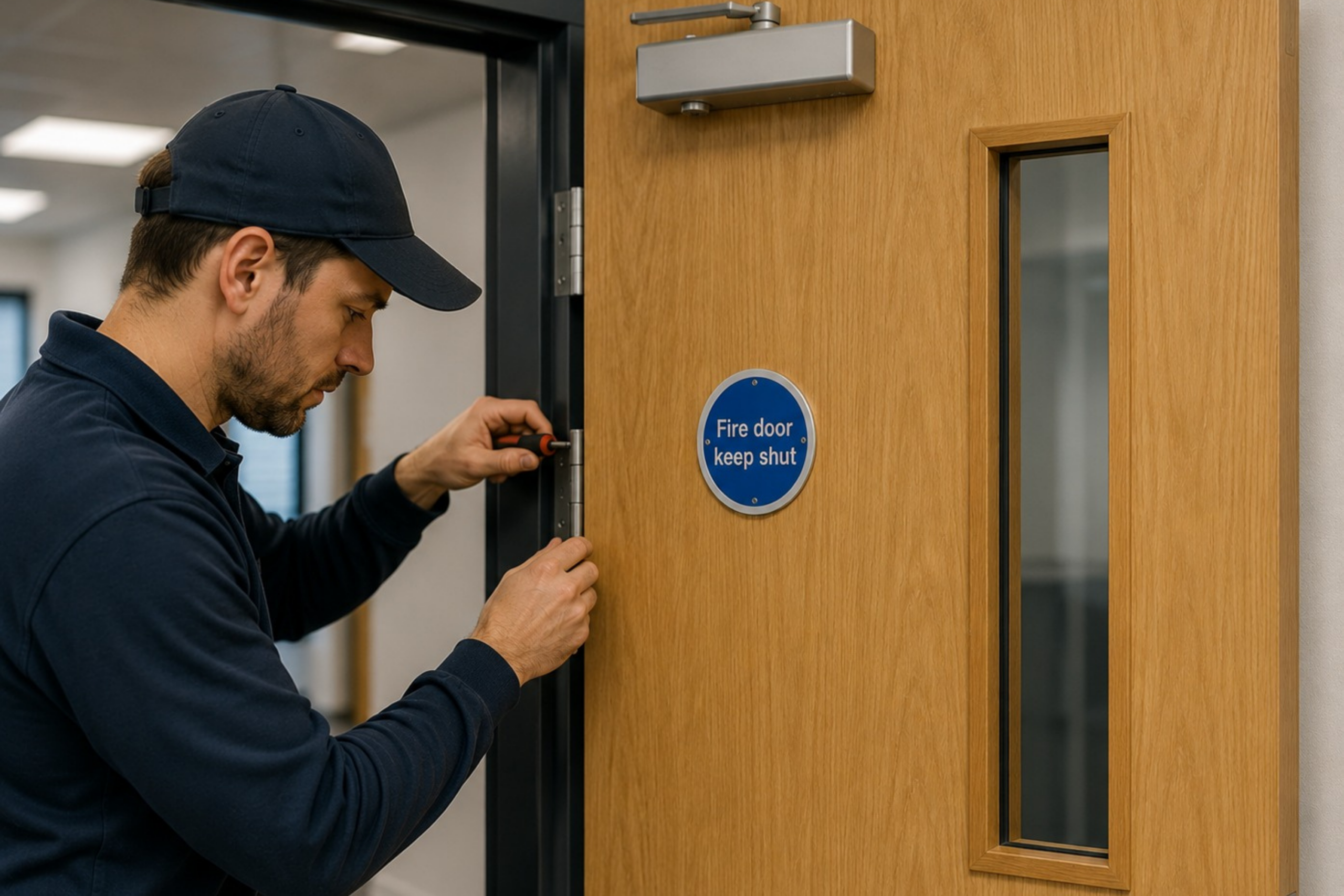
Inspection, survey, maintenance and replacement to ensure fire doors perform when it matters most
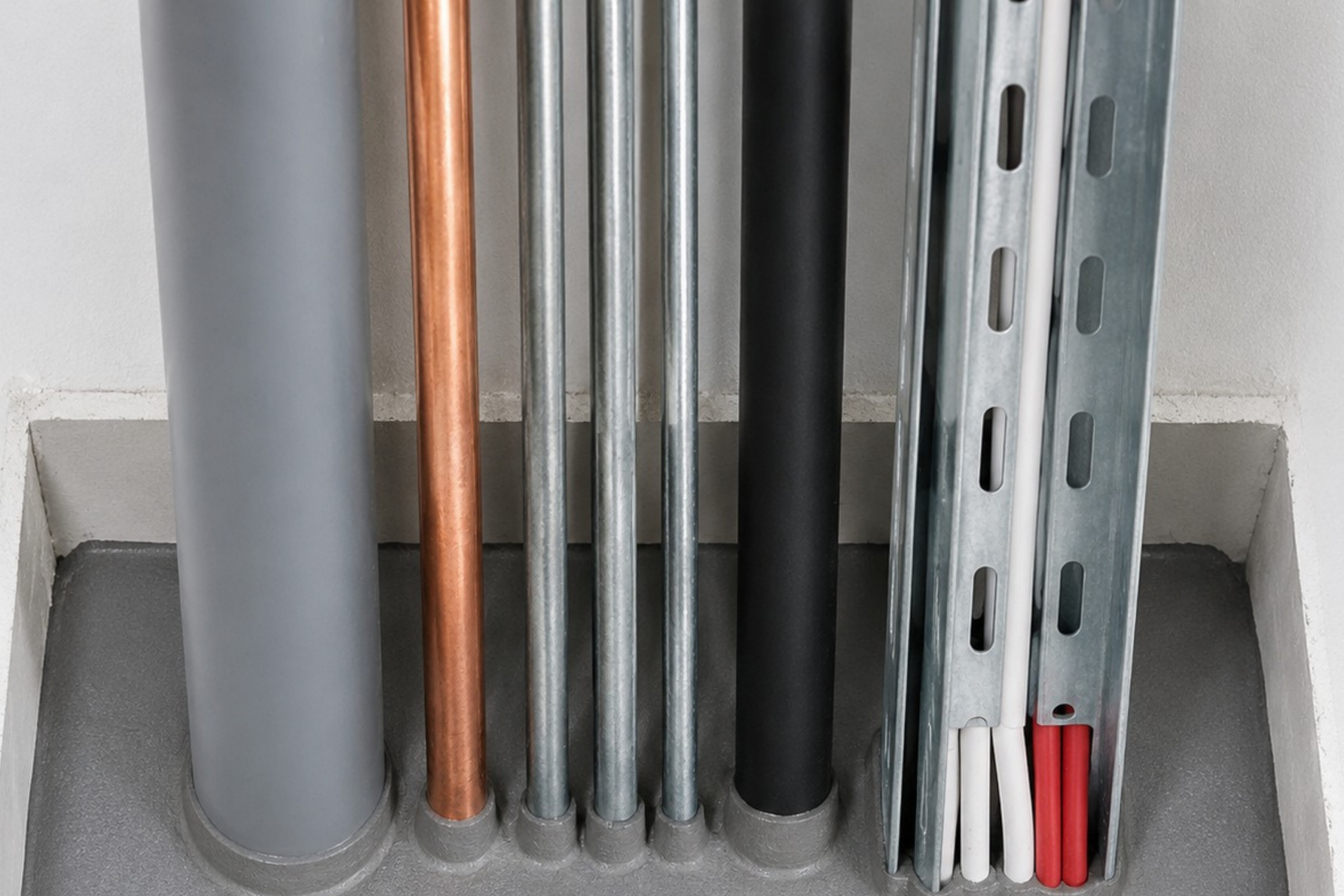
Professional installation and remediation to maintain compartmentation and prevent the spread of fire and smoke
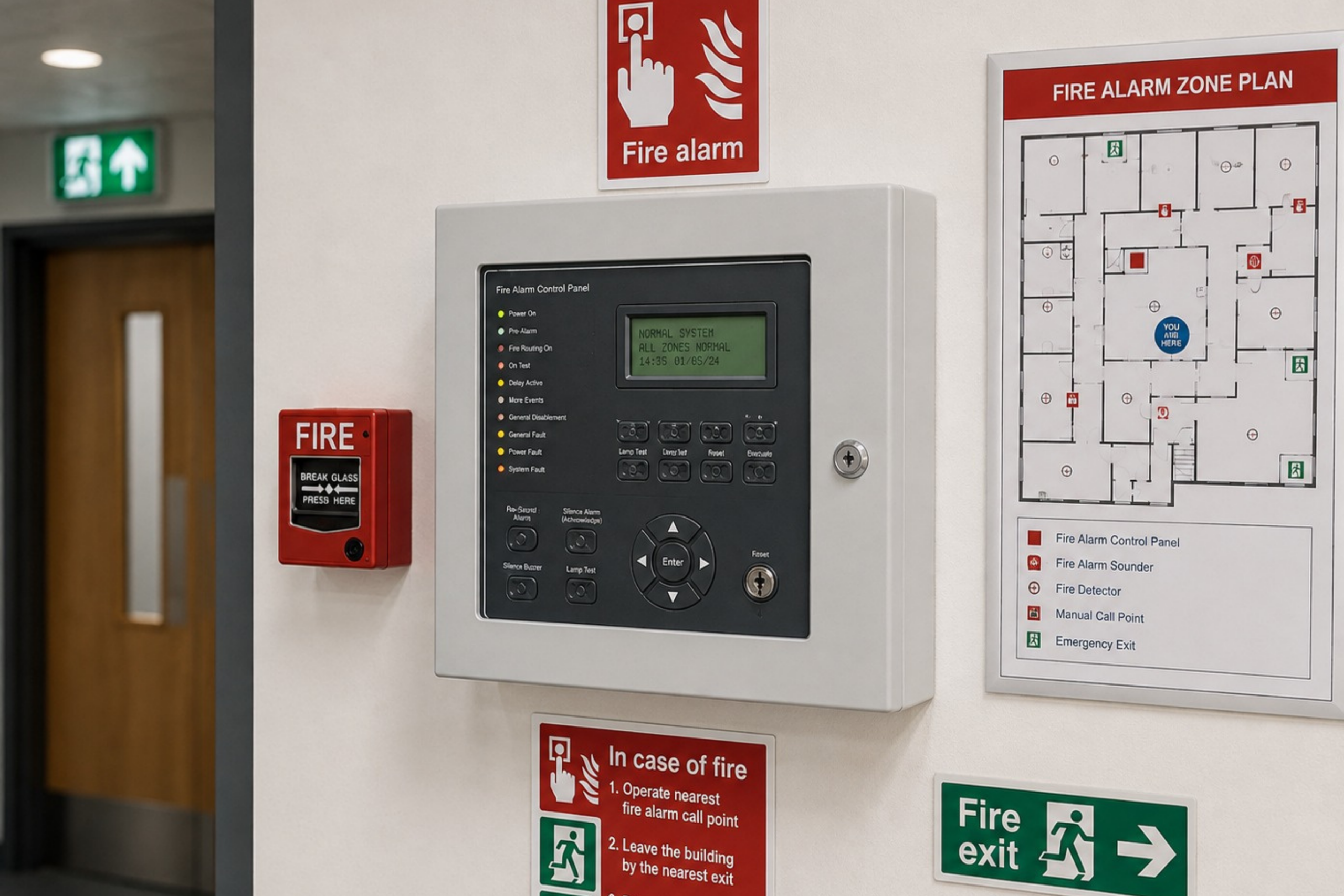
System design, installation, commissioning and maintenance of fire alarm and detection systems
• Fire Alarms
• Evacuation Alert Systems
• Public Address & Voice Alarms
• Smoke Control & ADVs
• Smoke Extract Systems
• Fire Suppression
• Gas Suppression
• Sprinklers
• Fire Doors
• Fire Stopping
• Disabled Refuge Systems
• Fire Risk Assessments
• Generic Emergency Evacuation Plans
• Personal Emergency Evacuation Plans
• Electrical Installation Condition Reports
• Emergency Lighting
• Fire Extinguishers
• Dry Risers
• Wet Risers
• Hose Reels
• Hydrants
Clear, jargon-free recommendations that help you understand your risks and meet your obligations.
From assessment and design through to installation, servicing and ongoing maintenance.
One point of contact coordinating specialist fire safety support you can rely on.
Under the Regulatory Reform (Fire Safety) Order 2005, fire risk assessments must be reviewed regularly and kept up to date.
Although the law does not specify a fixed review period, an annual review is generally considered good practice, particularly for smaller, lower-risk premises.
However, your assessment should be reviewed sooner if there are significant changes to your building, its layout, activities, occupancy or fire safety arrangements, or following a fire or significant incident.
Importantly, reviewing an existing assessment does not always mean completing an entirely new one. The need for a full reassessment depends on the changes identified and the level of risk.
Under the Regulatory Reform (Fire Safety) Order 2005, businesses must have appropriate arrangements for detecting a fire and warning occupants so they can evacuate safely.
The type of fire detection and alarm system required depends on factors such as the size and layout of your premises, occupancy levels, activities undertaken and the findings of your fire risk assessment.
While some very small, low-risk premises may not require an electrical fire alarm system, most commercial buildings will need a suitable system incorporating manual call points and, where necessary, automatic smoke or heat detectors.
Fire doors should be inspected regularly to ensure they remain in good working condition and can prevent the spread of fire and smoke when needed.
For most commercial premises, six-monthly inspections by a competent person are generally recommended as good practice, supported by more frequent routine visual checks. High-traffic areas or doors subject to frequent damage may require more regular inspections.
Under the Fire Safety (England) Regulations 2022, specific legal requirements apply to multi-occupied residential buildings over 11 metres in height:
Communal fire doors: Checked at least every three months.
Flat entrance fire doors: Checked at least every 12 months, using best endeavours to gain access.
Inspections should examine the door, frame, hinges, seals, gaps, glazing and self-closing mechanisms to identify defects that could compromise fire protection.
Fire stopping is an essential part of a building’s passive fire protection system. It involves sealing gaps, joints and openings in fire-resisting walls and floors to help prevent fire and smoke spreading between different areas of a building.
Openings are often created when pipes, cables, ductwork or other services pass through walls and floors. If these openings are not properly sealed using suitable fire-stopping systems, they can compromise the building’s fire compartmentation and allow fire and smoke to spread rapidly.
Poor or missing fire stopping can put lives at risk, compromise evacuation routes and lead to significant property damage.
Fire stopping should be inspected as part of an appropriate fire safety inspection and maintenance programme, particularly following building alterations, refurbishment or the installation of new services.
Commercial fire alarm systems should be tested weekly, normally by activating a different manual call point each week to confirm the system operates correctly and occupants can hear the alarm.
In addition to routine testing, fire detection and alarm systems should generally be professionally inspected and serviced at least every six months by a competent specialist, in accordance with BS 5839-1:2025.
All tests, servicing, faults and corrective actions should be recorded in your fire safety logbook to demonstrate that appropriate maintenance arrangements are in place.
Under the Regulatory Reform (Fire Safety) Order 2005, responsibility for fire safety rests with the designated Responsible Person. This may be the employer, building owner, landlord, managing agent or another person who has control over the premises.
The Responsible Person must ensure that a suitable and sufficient fire risk assessment is completed, appropriate fire precautions are implemented, fire safety equipment is maintained and occupants can evacuate safely in an emergency.
Where several businesses occupy the same building, there may be multiple Responsible Persons who must cooperate and coordinate their fire safety arrangements.
Importantly, appointing an external fire safety consultant does not remove the Responsible Person's legal duties.
Whether you require a Fire Risk Assessment or a complete fire safety solution, we're here to help.
